From Demna's groundbreaking Gucci debut to emerging talent breaking barriers, here's everything models and photographers need to know about the most transformative Milan Fashion Week in recent memory.
The Season That Changed Everything
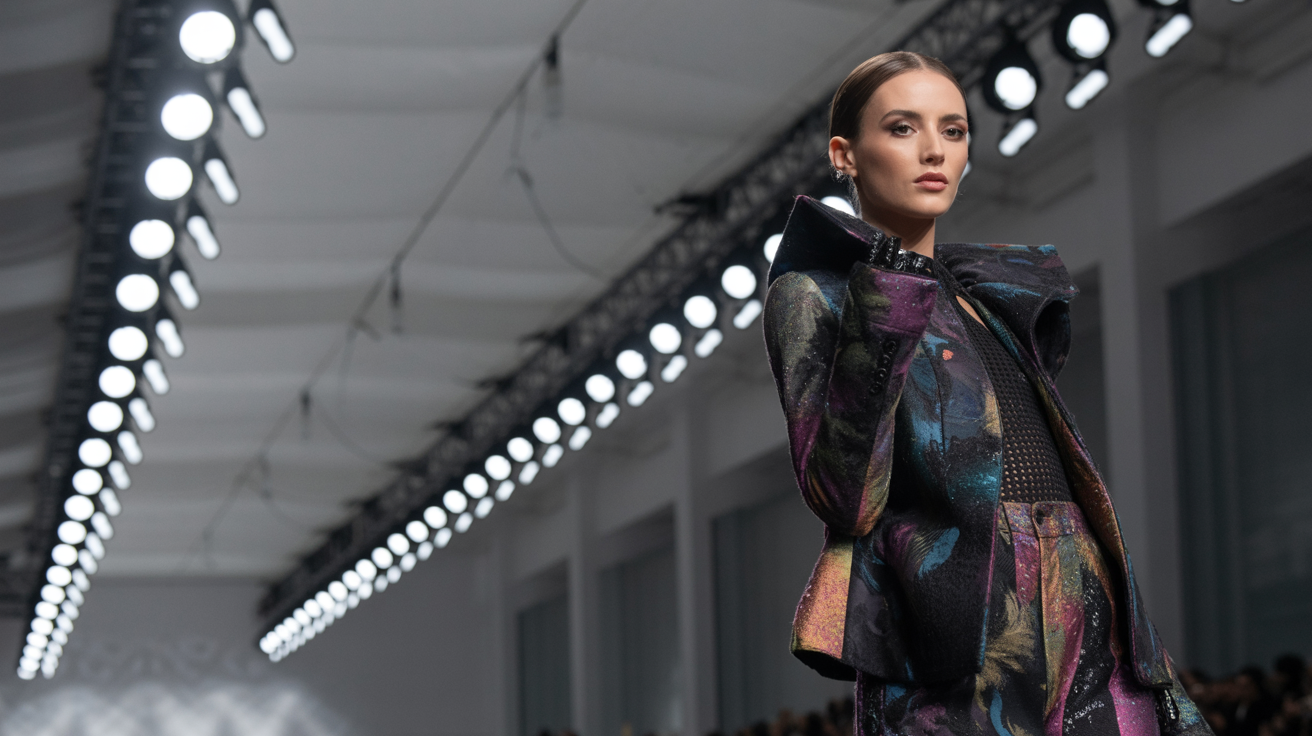
Milan Fashion Week Fall/Winter 2026 has officially wrapped, and the fashion world is still processing what many are calling the most transformative season in a decade. Running from February 24 to March 2, 2026, this edition of MFW delivered 54 runway shows, 64 presentations, and a seismic shift in creative direction at some of the industry's most storied houses.
For emerging models and photographers, this season offered more than just beautiful clothes—it presented a masterclass in how the industry is evolving, where opportunities are emerging, and what it takes to thrive in fashion's new landscape. With the Winter Olympics and Paralympics bringing unprecedented international attention to Milan, the stakes have never been higher, and the talent on display rose to meet the moment.
The Big Debuts: New Visions at Heritage Houses
Demna Launches His Gucci Era
The show everyone was waiting for arrived on Thursday, February 27, when Demna presented his first runway collection for Gucci. After two introductory capsule collections—including a cinematic short film directed by Spike Jonze—this was the moment where his vision for the brand truly crystallized.
What emerged was a masterful balance of Gucci's archival DNA with Demna's signature subversive edge. The collection moved between razor-sharp tailoring and unexpected volume, between reverence for Italian craftsmanship and bold reinterpretation. Industry insiders noted this wasn't a revolution but rather an evolution—Demna demonstrating he can honor a house's legacy while pushing it forward.
For models, the casting was notably diverse and unconventional, featuring both established faces and striking newcomers who embodied a specific confident, almost defiant energy. Photographers noted the collection's strong editorial potential, with pieces that demanded creative lighting and dynamic movement to capture their full impact.
Maria Grazia Chiuri's Fendi Transformation
Wednesday, February 25 marked Maria Grazia Chiuri's debut as creative director for Fendi, bringing her distinctive feminist perspective to the Roman house. Known for her transformative work at Dior, Chiuri's first Fendi collection explored themes of female strength through a lens of Italian glamour.
The show featured architectural silhouettes that balanced power with fluidity, incorporating Fendi's legendary fur craftsmanship in innovative, unexpected ways. The collection spoke to modern women who demand clothes that work as hard as they do—without sacrificing beauty or artistry.
Meryll Rogge's Marni Vision
Perhaps the most eagerly anticipated debut came from Meryll Rogge at Marni on Thursday, February 26. With her background at Marc Jacobs and Dries Van Noten, Rogge brought an intellectual rigor combined with emotional depth to the eccentric Italian house.
Her first collection honored Marni's tradition of unexpected color combinations and artisanal techniques while introducing a new sense of wearable sophistication. The show was a photographer's dream, with bold graphics, surprising textures, and a cast that celebrated individuality over conventional beauty standards.
Sophomore Success Stories
Simone Bellotti Solidifies His Jil Sander Position
After a debut that critics called a return to "seductive simplicity," Simone Bellotti's second collection for Jil Sander on Wednesday, February 25 proved his appointment was no fluke. The collection deepened his exploration of modern minimalism, offering pieces that achieved maximum impact through restraint and impeccable construction.
For models, the Jil Sander show remains one of the most coveted bookings—the clean aesthetic allows individual beauty to shine while demanding perfect posture and movement. Photographers covering the show noted how the pared-back designs created stunning negative space, allowing for both dramatic editorial shots and clean commercial imagery.
Louise Trotter Elevates Bottega Veneta
Saturday, February 28 saw Louise Trotter present her second collection for Bottega Veneta, building on a debut that had already established her as a worthy successor to the house's recent creative renaissance. Drawing inspiration from Louise Braggion, the house's first female creative lead, Trotter continued exploring themes of "liberation" while showcasing the brand's unmatched leather expertise.
The collection's signature intrecciato weaving appeared in innovative new applications, while the color palette moved between earthy sophistication and bold, unexpected accents. The accessories—always crucial at Bottega—offered fresh interpretations of the house's iconic bags that will undoubtedly dominate street style for seasons to come.
Key Trends Shaping the Season
Olympic Spirit Meets High Fashion
With the Winter Olympics and Paralympics bringing global attention to Milan-Cortina, the Olympic influence permeated collections across the week. Dsquared2 offered playful tributes with ski-boot-inspired footwear, while Ralph Lauren previewed the mountaineering-inspired luxury that will outfit Team USA.
This athletic-meets-elegant aesthetic creates exciting opportunities for models who can embody both sportive energy and refined glamour. For photographers, the trend offers dynamic possibilities—think editorial shoots that blend high fashion with winter sports locations and equipment.
Sustainability as Standard Practice
The sustainability conversation has evolved from trend to expectation. Zegna's collection emphasized "enduring wardrobe pieces" designed to last generations, displaying a nearly century-old jacket made with their fabrics to underscore the brand's commitment to longevity. Simon Cracker showcased innovative upcycled approaches that prove sustainable fashion can be just as exciting as traditional luxury.
This shift matters for emerging talent: brands increasingly seek models and photographers who understand and can authentically communicate sustainability narratives. It's no longer enough to simply look good—understanding a brand's values and being able to embody them adds significant value to any collaboration.
Bold Denim Reimagined
Denim emerged as a dominant trend, but not as we've known it. Collections featured extreme wash treatments, leather-like coatings, paint splatters, and unexpected constructions. PDF showcased dirty tints and distressing, Victor Hart brought Ghanaian perspectives to denim with statuesque silhouettes, and Dsquared2 offered everything from deconstructed puffers to sequined jeans.
For models, this trend rewards those who can bring attitude and movement to these bold pieces. Photographers should note that these treatments create fascinating texture and light play, demanding thoughtful lighting approaches to capture their full dimension.
Men's Jewelry Makes a Statement
Jewelry for men moved from accent to essential. Dolce & Gabbana showed elaborate lapel jewels with floral pins and ornate gold brooches, Prada featured gemstone cufflinks and sculptural earrings, and Giorgio Armani incorporated subtle but distinctive lapel pins. This accessory revolution opens new casting possibilities for male models comfortable with more decorative styling.
Opportunities for Emerging Talent
Breaking Into Milan
Milan Fashion Week remains one of the most competitive—and rewarding—markets for emerging models. This season showcased several pathways for newcomers:
Fondazione Sozzani's Incubator Shows: The non-profit organization continued its mission of supporting new Milanese talent, hosting shows for Simon Cracker, Tell the Truth, and Florania. These shows offer emerging models opportunities to work with innovative designers while building relationships within the industry.
Diverse Casting Initiatives: Victor Hart's Milan runway debut, supported by the Afrofashion Association, highlighted the industry's growing commitment to diverse representation. Models of all backgrounds should research which brands and casting directors are actively seeking fresh, diverse talent.
Institution and GCDS: Newer brands like Institution by Galib Gassanoff—fresh from winning the 2026 Zalando Visionary Award—and GCDS celebrating its 10th anniversary represent the sweet spot where emerging designers meet emerging models, often leading to long-term creative partnerships.
Photographer Opportunities
For photographers seeking to break into or expand their fashion week coverage, this season offered several lessons:
Street Style Remains King: The intersection of high fashion and personal style continues to generate some of the most engaging content. Position yourself at key locations—the Quadrilatero della moda, Porta Romana, and Via Tortona—where editors, buyers, and influencers congregate between shows.
Backstage Access: Building relationships with emerging designers can lead to backstage access opportunities that major publications can't always cover. The intimate, raw moments before models hit the runway often tell more compelling stories than the shows themselves.
Post-Show Editorial: With so many creative director changes, brands need fresh imagery that captures their new directions. This season's transformations at Gucci, Fendi, and Marni will generate significant editorial demand for photographers who understand these new aesthetics.
What the Changes Mean for the Industry
The End of Fashion's Old Guard?
Versace's decision not to show a runway collection this season—following the departure of Dario Vitale and ahead of Peter Mulier's July 2026 arrival—signals the industry's ongoing transformation. Major houses are willing to pause, reset, and ensure their creative direction aligns with contemporary relevance rather than rushing to fill seats.
For emerging talent, this moment of flux creates opportunity. Established brands seeking fresh perspectives are more open to discovering new faces and collaborators than during periods of stability.
Milan's Moment
The confluence of Fashion Week with the Winter Olympics has elevated Milan's global profile beyond its already significant status. The city attracted unprecedented international media attention, translating to broader exposure for everyone involved in the shows. This visibility particularly benefits emerging models and photographers whose work might reach audiences well beyond traditional fashion media.
Technology and Access
Livestreaming and social media coverage have democratized fashion week access in ways that benefit emerging talent. While most shows remain invitation-only, the ability to study collections, casting choices, and show production in real-time helps aspiring professionals understand industry standards and identify their place within it.
Practical Tips for Next Season
For models preparing for future Milan Fashion Weeks:
Update your portfolio to reflect current trends—bold denim, sustainable fashion narratives, and editorial versatility will serve you well.
Research casting directors at houses that have undergone creative changes; they're often building new rosters.
Connect with emerging designers through Fondazione Sozzani and similar incubator programs.
Physical preparation is crucial—Milan shows demand long days, so building stamina and maintaining skin health are as important as perfecting your walk.
For photographers aiming to cover future seasons:
Build relationships now with PR teams at brands showing new creative directions.
Study the lighting and staging of this season's major shows to understand what works in Milan's diverse venue landscape.
Create content that demonstrates your understanding of Italian fashion's unique blend of craftsmanship and innovation.
Consider sustainability in your own practice—brands increasingly favor photographers whose values align with theirs.
The Bottom Line
Milan Fashion Week Fall/Winter 2026 delivered exactly what the industry needed: bold creative risks, meaningful diversity progress, and a clear vision for fashion's future. The major debuts at Gucci, Fendi, and Marni signal that heritage houses are ready to evolve, while the success of emerging brands proves there's room for new voices.
For models and photographers watching from the sidelines, the message is clear: the barriers to entry are shifting, not disappearing. Success in this new landscape requires more than talent—it demands understanding of brand narratives, authentic connection to sustainability values, and the versatility to move between bold editorial work and commercial appeal.
The shows may have ended, but the opportunities they've revealed are just beginning. Whether you're refining your walk, building your portfolio, or researching your next steps, Milan Fashion Week Fall/Winter 2026 has provided a roadmap for what the industry values—and where emerging talent can find their place in fashion's evolving story.
Stay tuned to RockHardChic for continued coverage of global fashion weeks and insights for emerging models and photographers.